







Key takeaways
- Zero-click search is when a query is answered on the results page, so the user never visits a site.
- It isn’t new, Google has done it for years with weather, definitions and quick facts. What’s new is it spreading to commercial and research queries.
- Recent clickstream research puts the zero-click share of US Google searches near 68%, and far higher inside AI features.
- The response isn’t panic. It’s to change what you measure and to be the source that gets cited.
More and more searches end with no click at all. The answer appears right there, in a snippet, a knowledge panel, or an AI Overview, and the user moves on satisfied. This is zero-click search, and it’s reshaping what “traffic” even means. Here’s how to think about it clearly.
What zero-click actually means
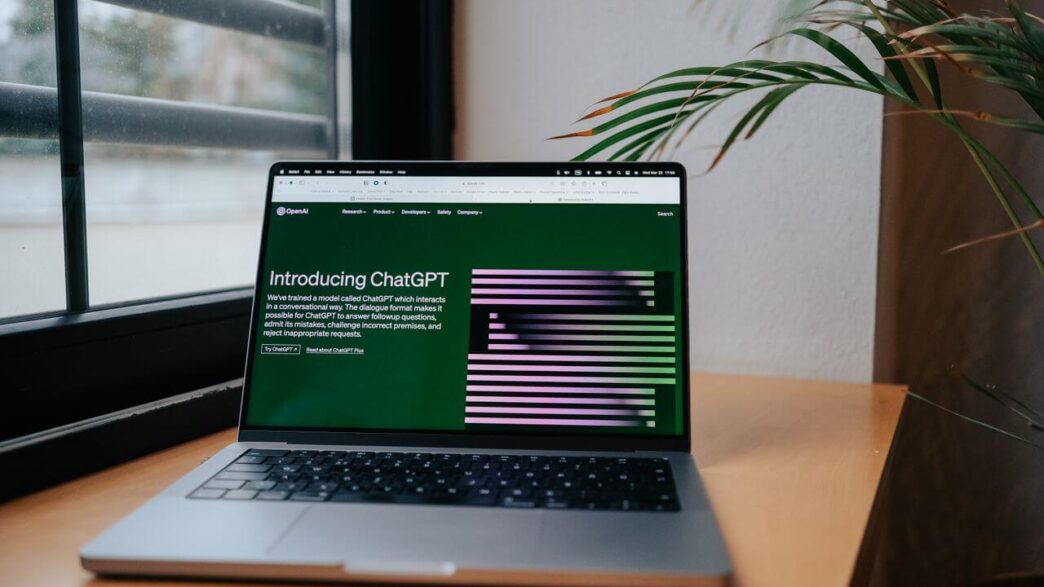
A zero-click search is one where the user gets what they need without visiting any website. Ask for the time in Tokyo, a word’s definition, or a quick conversion, and Google just tells you. Increasingly, it also summarises more complex questions with an AI Overview, and standalone assistants like ChatGPT answer without sending you anywhere.
The share is now substantial. According to SparkToro and Similarweb, 68.01% of US Google searches ended without a click in the first four months of 2026, up from 60.45% in 2024. The rate climbs sharply inside AI features: Semrush found that 93% of sessions in Google’s AI Mode end without a click to an external site, compared with a baseline of 35 to 46% for standard Google search.
Why it feels sudden (it isn’t)
Here’s the part worth keeping calm about: zero-click is not new. Google has answered simple queries on the page for over a decade. What’s changed is the range. It used to be weather and sports scores. Now it’s creeping into the commercial and research queries where a click used to be almost guaranteed, the “best X for Y,” the “how do I,” the comparison questions.
Analysts saw the shift coming. In early 2024, Gartner forecast that traditional search engine volume would fall 25% by 2026 as AI chatbots and virtual agents absorb queries that once went to search. So it’s less a sudden collapse and more a steady expansion of something that was already happening. That reframing matters, because it points to a measured response rather than a panicked one.
How to adapt: change what you measure
If you judge success only by clicks, zero-click looks like pure loss. The fix starts with measurement.
Track impressions and your presence in answers, not just sessions. Being named in an AI answer or a snippet is visibility and brand-building, even without a visit. Watch which queries still drive clicks (often deeper, higher-intent ones) and make sure you own those. And measure brand mentions and searches, the demand that zero-click visibility creates shows up there, not in raw organic clicks.
How to adapt: be the answer
The second move is to be the source that gets cited in the answer, rather than fighting to be the tenth link nobody reaches. That means structuring content so it’s the cleanest answer available, and being widely enough referenced that models and search engines trust you. This is the heart of how AI search works, and the Google-specific version plays out in Google AI Overviews.
Being the answer is, increasingly, the new version of being clicked.
Frequently asked questions
Is zero-click search killing SEO?
No, but it’s changing what SEO optimizes for. Ranking to earn a click still matters for many queries; for others, the goal shifts to being the cited source and building brand demand.
How do I get traffic if the answer is on the results page?
Focus on queries that genuinely require a visit, comparisons, tools, in-depth guides, purchases, and make sure your brand is the one named in the on-page answers for everything else.
Should I stop writing informational content?
No. Informational content is often what gets you cited and builds authority. Just don’t measure it by clicks alone, and pair it with content that converts.
Written by Matthis Duarte, a senior SEO and organic growth expert with 10+ years of experience driving organic growth for international brands across highly competitive verticals. He is the founder of Knownful, an independent publication on SEO and organic growth featuring in-depth guides, best practices, playbooks and original analyses, including a free monthly study of which brands AI actually recommends across 10 industries.